
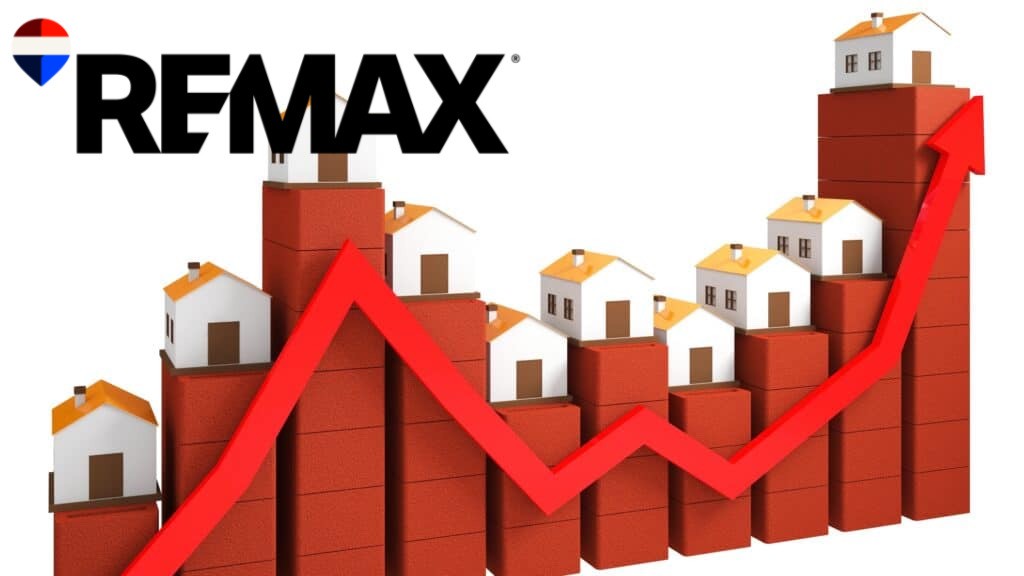
Mortgage approvals in the UK – 2025 review and what to expect into 2026…
2025 was the year the UK mortgage market quietly moved from “shock” to “slow thaw.” After the dramatic rate rises of 2022-2024 pushed many buyers to the side-lines 2025 brought a series of developments that nudged approvals, re-mortgaging and purchase activity back toward more normal levels, but with plenty of caveats.
Below we summarise the key trends from 2025, explain why they matter for buyers and brokers, and give a grounded forecast for approvals and the market into 2026.
Quick headline summary;
What drove approvals in 2025:
The data paints a picture:
Our 2026 forecast and what’s likely to happen…
We offer three reasonable scenarios for mortgage approvals in 2026, ranked by likelihood given data and central-bank guidance as of late 2025.
Best case and most likely: Modest pickup in approvals, result +5–12% year on year
If inflation continues down toward target and the BoE keeps cutting gradually or holds rates near current levels, mortgage pricing will improve further. That would bring more buyers back (especially first-time buyers and movers) and encourage re-mortgaging. Expect purchase approvals to recover slowly, with gross lending rising modestly rather than surging. This matches UK Finance and several industry forecasters.
Upside case: Quicker recovery if rates fall faster, result +15%+ approvals
If Bank Rate falls faster than markets expect (for example, several cuts in 2026), fixed mortgage rates could drop into the low-to-mid 3% range and unleash a stronger wave of demand from buyers who stayed out of the market in 2022–24. House prices would likely trend up modestly, which could encourage further approvals. Forecasters with a more optimistic view assume this path.
Downside case: Sluggish approvals if growth stalls or lenders tighten, result – flat or negative
Should the UK economy weaken, wage growth disappoints, or lenders reintroduce much tighter affordability tests (perhaps after a rise in arrears), approvals could stagnate again. This is less likely given current trends but remains a tail risk, particularly in regions with weak labour markets. Evidence of lender caution in the BoE’s credit surveys underlines this risk.
What this means for different groups:
For first-time buyers:
Better deals are arriving — but deposit and affordability hurdles remain. Shop around for fixed-rate terms and get an agreement in principle early if you’re serious.
For re-mortgagers:
If your fixed term ends in the next 12 months, a re-mortgage market with more competition should help. Don’t assume rates will keep falling rapidly, get quotes and budget for some volatility.
For brokers and lenders:
Expect higher volumes compared with 2024’s troughs but maintain rigorous affordability checks. Prepare operational capacity for a steady rise in applications rather than a sudden spike.
For investors and market watchers:
House-price growth in 2026 is likely to be moderate (low single digits in most mainstream forecasts) unless rates fall sharply. Watch regional divergence, stronger labour markets will see earlier recoveries.
Some Practical Advice:
Final thoughts:
2025 felt like the start of a normalisation: approvals stopped being dominated by emergency-level stress and instead reflected affordability, seasonality and cautious lender behaviour.
Into 2026, the most likely outcome is steady improvement in mortgage approvals — driven by lower, but still cautious, rates and ongoing re-mortgage cycles – rather than a dramatic rebound.
Keep an eye on Bank Rate moves, Bank of England credit surveys and the big trade-body forecasts from UK Finance and the Bank of England releases for the clearest signals.
For the latest news, updates and monthly deals
Copyright RE/MAX UK 2026. Privacy Policy | Cookie Policy | Complaints Procedure | ESG Policy
Designed by Fast Generations